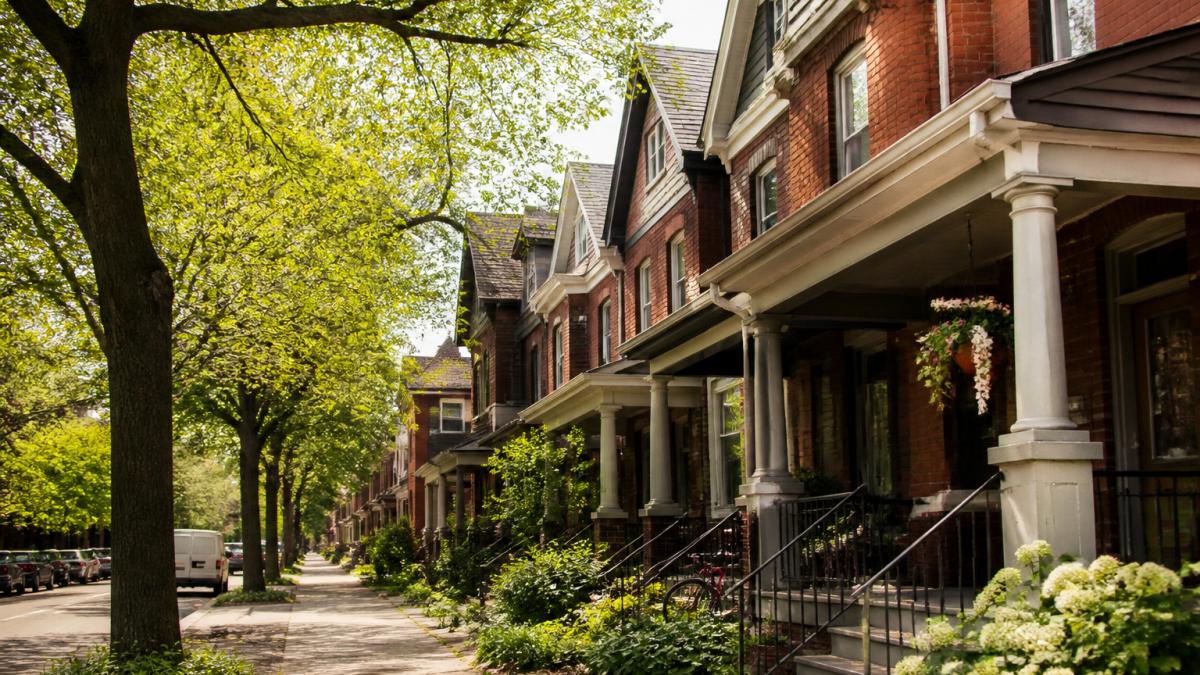
 Ultimate guide
Multi Family Homes for Sale: A Buyer's Guide
Last Updated: November 15, 2026
Quick Summary
Multi family homes are residential properties designed to house two or more separate households in a single building or on one lot, including duplexes, triplexes, fourplexes, and larger apartment-style buildings. You can live in one unit and rent the others, or run the whole property as an income asset. Each type comes with its own financing rules, zoning requirements, and income math.
- A duplex holds two units, a triplex three, and a fourplex four, and the unit count changes your down payment and lender treatment.
- In Canada, lenders generally treat properties with up to four units as residential, opening access to insured mortgage options.
- Run cap rate, cash flow, and vacancy rate on every listing before you get attached to a property.
- Confirm zoning and permit history for every unit, because a unit you cannot legally rent produces no income.
- Get an insurance quote early, since a non-conforming unit or aging systems can make a building uninsurable.
Table of Contents
- What Counts as a Multi-Family Home
- Ottawa Duplex for Sale: What Buyers Should Know
- Ottawa Triplex for Sale: Weighing Space and Income
- Evaluating Rental Income Property in Ottawa
- Multi-Family Property Financing Options
- Due Diligence and Property Inspections
- Zoning and Rental Regulations in Ottawa
- Book a Discovery Call to Start Your Search
- Frequently Asked Questions
What Counts as a Multi-Family Home
A multi-family home is a residential property designed to house two or more separate households, each with its own living space, in a single building or on one lot. For buyers scanning multi family homes for sale, the appeal is straightforward: you can live in one unit and rent the others, or run the whole property as an income asset. This segment of the Ottawa market draws steady interest from both first-time buyers and seasoned investors.
The category covers duplexes, triplexes, fourplexes, and larger apartment-style buildings. Each comes with its own financing rules, zoning requirements, and income math.
Duplex, Triplex, and Fourplex: Key Differences
A duplex holds two self-contained units, usually side-by-side or stacked. A triplex adds a third unit, and a fourplex holds four. The unit count changes everything: your down payment, your rental income ceiling, and how lenders treat the property.
| Property Type | Units | Typical Use | Lender Treatment |
|---|---|---|---|
| Duplex | 2 | Live in one, rent one | Often owner-occupied financing |
| Triplex | 3 | Partly owner-occupied or full rental | Mixed residential rules |
| Fourplex | 4 | Full investment or house-hack | Treated closer to commercial |
Units
A common mistake is assuming all three qualify for the same mortgage terms. They don't. A non-conforming unit, like an added lower-level apartment, can complicate financing and insurance.
Ottawa Duplex for Sale: What Buyers Should Know
An Ottawa duplex for sale gives you two front doors and two income streams under one roof. The strongest candidates show separate entrances, separate utilities where possible, and clear legal status for both units.
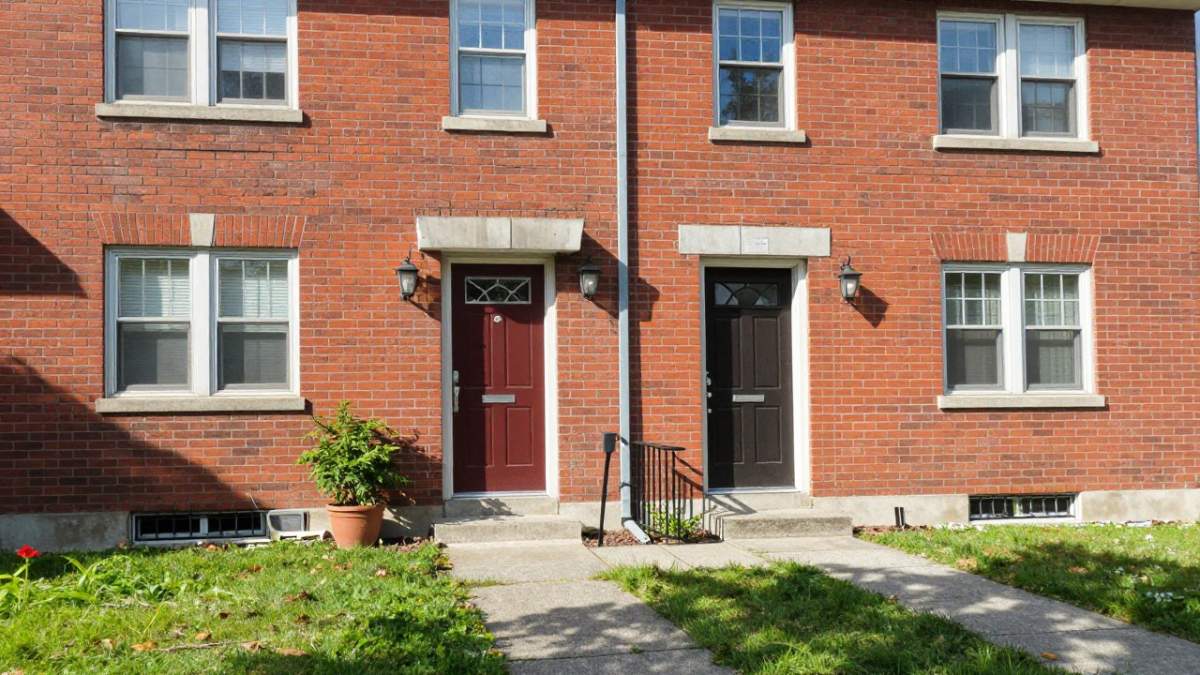
The legal unit question is often overlooked. A duplex that was converted without permits may look perfect but fail an inspection or a lender's appraisal. Ask for the property's legal description and any permit history before you fall for the finishes.
Ottawa Triplex for Sale: Weighing Space and Income
An Ottawa triplex for sale sits in the sweet spot between a family home and a full rental building. Three units generate more income than a duplex while keeping the property manageable for an owner who lives on site.
The trade-off is real. More units mean more tenants, more maintenance, and more of your time. A triplex works best when the numbers hold even with one unit vacant. If the mortgage only balances at full occupancy, you're carrying too much risk.
For a live example of how unit count and cap rate play out, you can view a West Centre Town triplex for sale and see the income potential laid out.
Evaluating Rental Income Property in Ottawa
Rental income property in Ottawa is only a good buy when the numbers survive scrutiny. That means running the same three metrics on every listing before you get attached.
Key Metrics: Cap Rate, Cash Flow, and Vacancy Rate
- Cap rate measures a property's return before financing. Divide net operating income by the purchase price. Higher is better, but a high cap rate often signals higher risk.
- Cash flow is what's left after the mortgage, taxes, insurance, and operating expenses. Positive cash flow keeps you solvent during vacancies.
- Vacancy rate tells you how much rent you can realistically expect to collect. A unit that sits empty for two months a year changes the whole picture.
A practical benchmark: a turnkey fourplex with documented positive cash flow gives you something to compare every other listing against. You can review a Cornwall fourplex with positive cash flow to see how those metrics look on a real property.
Before you trust any rent projection, research Ottawa real estate trends so your vacancy and rent assumptions reflect the actual local market, not the seller's optimism.
Multi-Family Property Financing Options
Multi-family property financing works differently from a single-family mortgage, and the unit count drives the terms. In Canada, lenders generally treat properties with up to four units as residential, which opens access to insured mortgage options and smaller down payments for owner-occupied buyers.
The line that matters most is the insured-mortgage threshold. Under the rules administered by the Canada Mortgage and Housing Corporation, a property with up to four self-contained units can qualify for mortgage loan insurance when the borrower meets the occupancy and down payment conditions.
A practical breakdown of how lenders tend to treat the unit count:
- Duplex, owner-occupied: Often the most accessible entry point. Insured financing may be available with a low down payment when one unit is your principal residence. Lenders assess how much of the second unit's rent may count toward qualifying income.
- Triplex, owner-occupied: Still residential, still potentially insurable, but expect the lender to scrutinize the rent roll and the legal status of all three units. The rental-offset percentage applied to projected income is usually more conservative than for a duplex.
- Fourplex, owner-occupied: The top of the residential ladder. Insured options can exist, but appraisal quality and documented leases carry more weight, and some lenders will want a stronger credit profile to offset the larger income reliance.
- Duplex to fourplex, full investment: No owner-occupancy, so the insured low-down-payment route generally does not apply. Expect a larger down payment, and qualification driven by the property's income rather than your salary alone.
- Five units and above: Commercial underwriting. Shorter amortizations, larger equity requirements, debt-service coverage ratios, and a lender who wants to see operating statements, not just a pay stub.
A common pattern is that buyers shop for the property before understanding their financing ceiling. Get pre-approved with the unit count in mind, and ask the lender two specific questions: whether the property is insurable at your intended occupancy, and what percentage of projected rent they will use for qualification.
Watch out: a non-conforming unit, an added lower-level apartment without permits, for example, can knock a property out of the insured residential category or out of financing altogether, even when it looks like a straightforward fourplex on paper. Confirm legal status before you rely on a pre-approval.
Financing rules and insurer criteria change, so confirm the current details with your lender and with CMHC before you budget. The structure above is the map; your lender fills in the current numbers.
Due Diligence and Property Inspections
Due diligence is where multi family homes for sale are won or lost. A standard home inspection is not enough.
A due diligence period on a multi-family property should cover four workstreams: the building, the money, the law, and the people.
The building. Hire an inspector with rental-property experience and ask them to document the age and condition of the roof, furnace, boiler, hot water tanks, wiring, and windows, plus any signs of water intrusion at shared walls and ceilings.
The money. Request a rent roll showing each unit's current rent, lease start and end dates, deposit held, and payment history, and reconcile it against the actual leases.
The law. Confirm the zoning designation and permitted unit count with the municipality, and pull the permit history for every unit.
The people. Review every lease for term, rent, deposit, and any side agreements, and confirm deposits were handled according to provincial residential tenancy rules.
A workable checklist:
- Legal status of every unit, with permits on file
- Rent roll reconciled against signed leases and deposits
- Trailing twelve months of operating statements
- Separate hydro and gas meters, or a clear plan and cost to separate them
- Roof, furnace, boiler, and windows, with ages documented
- Zoning confirmation for the current use and unit count
- Permit history and any open work orders
- Insurance quote before you remove conditions
- Fire separation and alarm systems reviewed
Sequence matters. Get the insurance quote early, because a building with a non-conforming unit or aging systems can be expensive or uninsurable, and that alone can end a deal.
Watch out: skipping the zoning and permit check is the single most expensive shortcut. A unit you cannot legally rent produces no income, and no inspection report will flag it for you, only the municipality's records will.
Zoning and Rental Regulations in Ottawa
Zoning and rental rules in Ottawa determine what you can legally do with a property, and they don't always match how a building is being used. The City of Ottawa's zoning by-laws set out permitted uses, unit counts, and rules for secondary dwelling units. Ontario's Residential Tenancies Act governs how you manage tenants once they're in place.
Here's the part buyers underestimate: a legal non-conforming building can continue its current use but may restrict expansion or reconstruction. Confirm the zoning designation and any registered agreements before you commit.
For a sense of how unit configurations and legal status vary in practice, look at a non-conforming duplex with an added apartment and note how the listing describes each unit.
Book a Discovery Call to Start Your Search
The gap between a listing that looks good and a property that performs comes down to preparation: financing lined up, numbers stress-tested, and legal status confirmed. That's the work we do before you write an offer.
Franco Ippolito has served the Ottawa real estate market since 1987, combining personalized client care with modern, strategic marketing and professional negotiation. Whether you're weighing a duplex to house-hack or building a rental portfolio, the goal is to help you navigate each transaction with confidence.
If you're ready to move from browsing to buying, book a discovery call and we'll map out your search, your financing, and your due diligence plan.
The Ottawa multi-family market rewards buyers who do the math and check the paperwork before they fall for a property. Let us put that preparation to work for you. Get started with Franco Ippolito : EXP REALTY and search with confidence, backed by experienced negotiation and a strategy built around your goals.
Frequently Asked Questions
What counts as a multi-family home?
A multi-family home is a residential property designed for more than one household, such as a duplex, triplex, or fourplex. Each unit typically has its own entrance, kitchen, and bathroom. In Ottawa, these properties are often owner-occupied with rental units, making them popular with buyers who want to offset mortgage costs. The key is that the building is a single legal property with multiple self-contained units.
Are multi-family homes a good investment?
Multi-family homes can be a solid investment because rental income helps cover operating expenses and mortgage payments. They also diversify risk across multiple tenants rather than relying on one renter. However, returns depend on careful analysis of rental income, vacancy rates, and operating expenses. In Ottawa, demand for rental units remains steady, but buyers should run the numbers for each property and account for maintenance and property management costs before committing.
What should I check before buying a multi-family property?
Before buying, review the property's rental history, current leases, and operating expenses. Order a professional inspection to assess the building's condition, including plumbing, electrical, and roof. Verify zoning and rental regulations with the City of Ottawa. Also check for any outstanding work orders or bylaw issues. Finally, confirm financing options with a mortgage broker who understands multi-family property financing, as lender requirements differ from single-family homes.
How do I evaluate rental income from a multi-family home?
Start by calculating gross rental income from all units, then subtract operating expenses such as property taxes, insurance, maintenance, and utilities. Use metrics like cap rate and cash-on-cash return to compare properties. For a rental income property in Ottawa, check current market rents to ensure the asking price aligns with realistic income. Also factor in vacancy rates and potential rent increases under provincial guidelines. A real estate agent with investment experience can help you interpret these figures accurately.