 Ultimate guide
Is Kanata a Good Place to Raise Kids? A Parent's Guide
Last Updated: November 19, 2026
Quick Summary
Yes, is Kanata a good place to raise kids is answered with a clear yes, based on green space, strong public schools, and a suburban rhythm that leaves room for childhood. Families get parks, trails, and playgrounds within walking distance, though school catchments and childcare waitlists must be verified early for your exact address.
- Your street address, not the neighbourhood name, determines your assigned schools, so confirm catchments in writing with the board.
- Infant and toddler childcare spaces are the scarcest, so start waitlists before your move is finalized.
- Walkability to school and parks usually beats an extra bedroom for families with young children.
- Kanata is car-dependent for many errands, so test the transit route at rush hour before you buy.
- Kanata leans toward tech employment and trails, while Barrhaven offers newer housing near big-box shopping.
Table of Contents
- What Family Life in Kanata Actually Looks Like
- Kanata Schools and Family Life: Catchments, French Pathways and Childcare
- Parks, Playgrounds and Green Space for Young Children
- The Best Neighborhoods in Kanata for Families
- Cost of Living in Kanata: Housing, Property Taxes and Childcare
- Safety, Healthcare Access and Getting Around Without a Second Car
- Kanata vs Barrhaven for Families: How the Two Suburbs Compare
- Book a Discovery Call Before You Start House Hunting
- Frequently Asked Questions
What Family Life in Kanata Actually Looks Like
Short answer: if you're asking is Kanata a good place to raise kids, yes, and it earns that reputation on the unglamorous basics. Families here get green space, strong public schools, and a suburban rhythm that leaves room for a childhood that isn't scheduled to the minute.
Families move in and out of this end of the city all the time. Parents often arrive skeptical about the commute, then stay for the schools and the trails.
Kanata is a suburban community in Ottawa's west end, built around technology employers, established residential pockets, and a network of parks and paths. It's also honest to say it isn't for everyone. More on that below.
Kanata Schools and Family Life: Catchments, French Pathways and Childcare
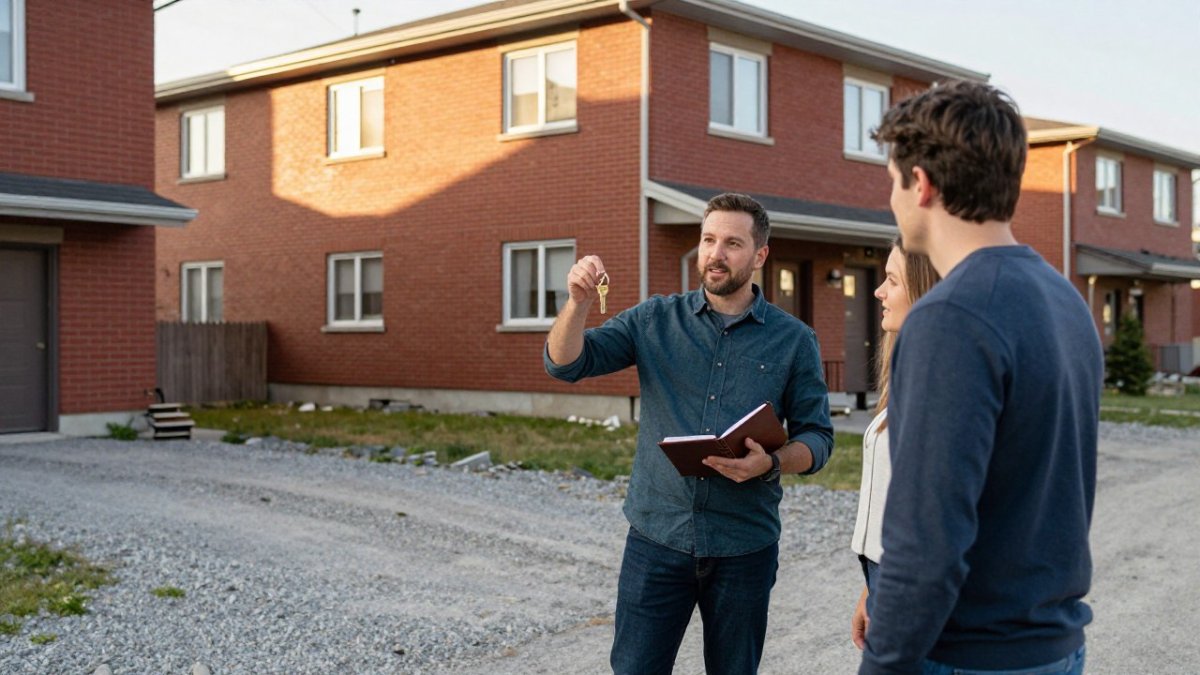
School catchment is the single most consequential detail most buyers get wrong, because your street address, not the neighbourhood name on the listing, determines your assigned schools.
Before you commit, work through this sequence rather than relying on what a seller or agent tells you:
- Get the exact municipal address, including the unit number for townhouses and condos.
- Contact the relevant school board directly and ask for the assigned English public, Catholic, and French-language schools for that address for the coming school year.
- Ask whether the assigned school is currently accepting enrollments or has a holding pattern, and whether any program boundaries differ from the general attendance boundary.
- If a French pathway matters, ask separately about French immersion and French-language program capacity, because program seats can fill even when the school itself has room.
Program seats can fill even when a school has room, so it is a good reason to confirm program availability before conditions are waived.
Watch out: catchment maps published online are often out of date, and a boundary that applied last year may not apply to your child's intake year, always confirm in writing with the board.
Childcare is the second practical bottleneck, and it behaves differently from schools. Licensed centre-based care and licensed home care are regulated separately, and infant and toddler spaces are the scarcest. In growing suburban areas, infant and toddler spaces are often the scarcest.
Start waitlists early, often before your move is finalized, and ask each provider three questions: how the waitlist is ordered (by date, by sibling priority, or by catchment), whether a deposit is required to hold a spot, and what the notice period is if your plans change. If you need care for a child under 18 months, begin the search as soon as you have a target move date, because the infant room is where the queue is longest.
For school-age children, ask about before- and after-school care at the school itself, since those programs are often run by a separate provider and have their own registration timeline.
Parks, Playgrounds and Green Space for Young Children
Green space is where Kanata quietly wins, and it's a big part of why the answer to is Kanata a good place to raise kids leans yes.
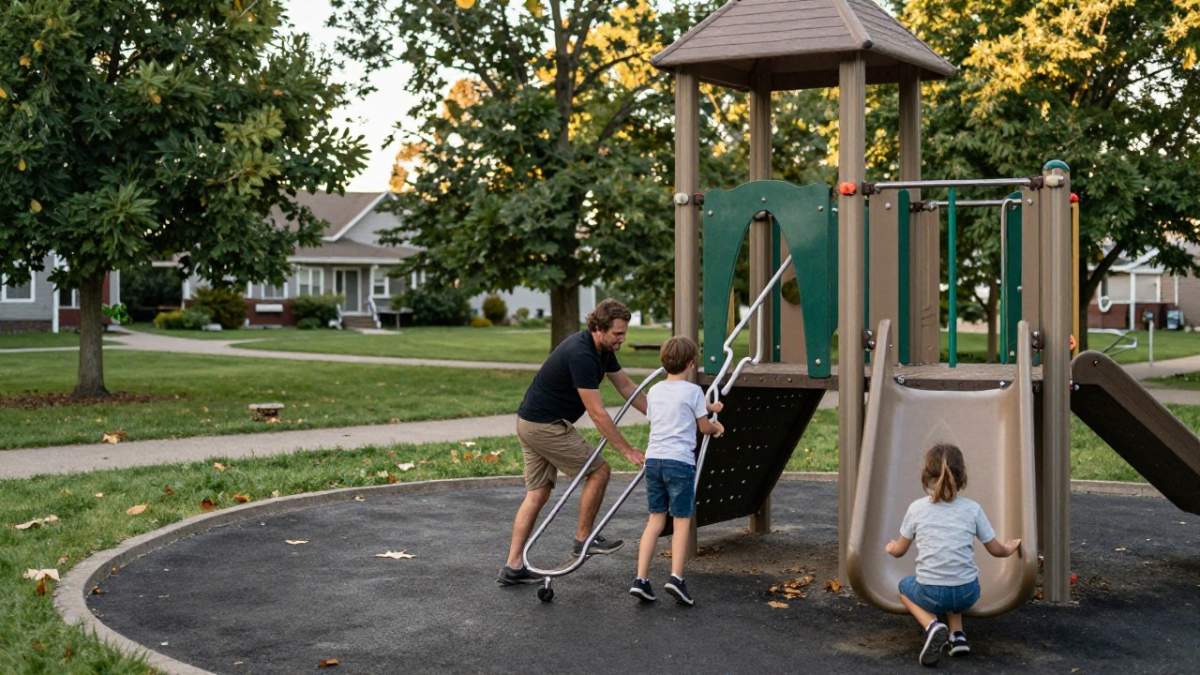
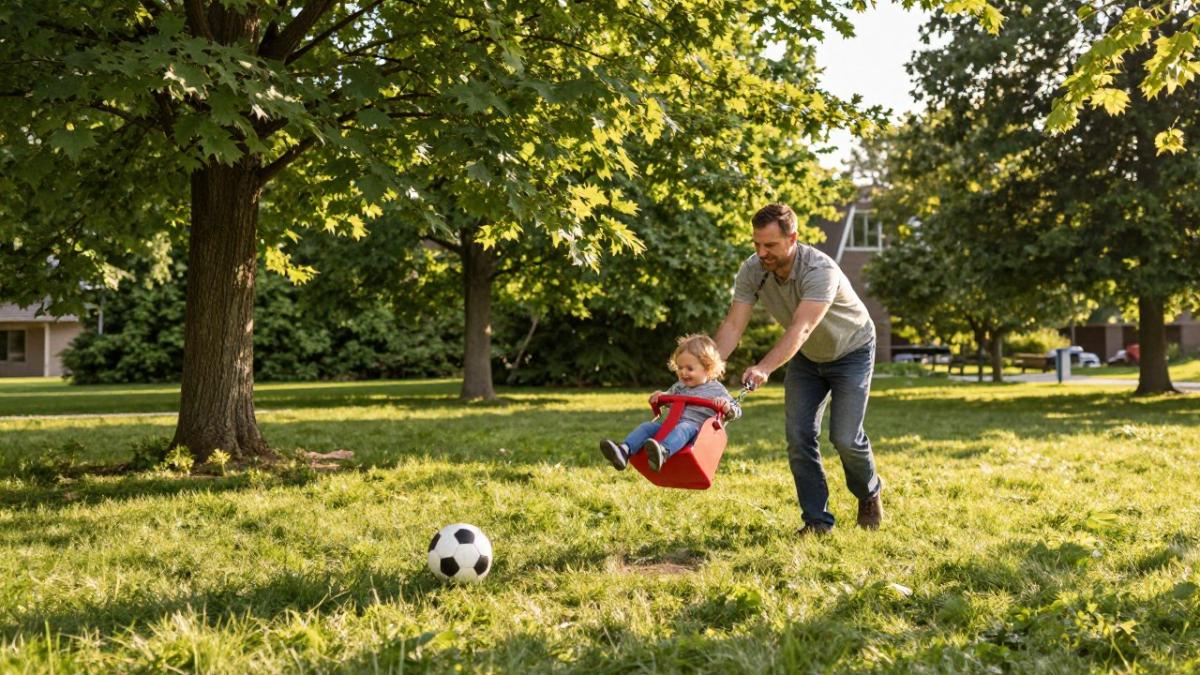
For young children, that proximity matters more than a big backyard. A playground two streets over gives a four-year-old daily outdoor time without a car trip. Trails double as stroller routes and later as bike paths for older kids.
Community centres, public pools, arenas, and libraries round out the recreation picture, with youth activities and family events running through the year. Check program registration dates early; popular swim and skating sessions fill fast.
The Best Neighborhoods in Kanata for Families
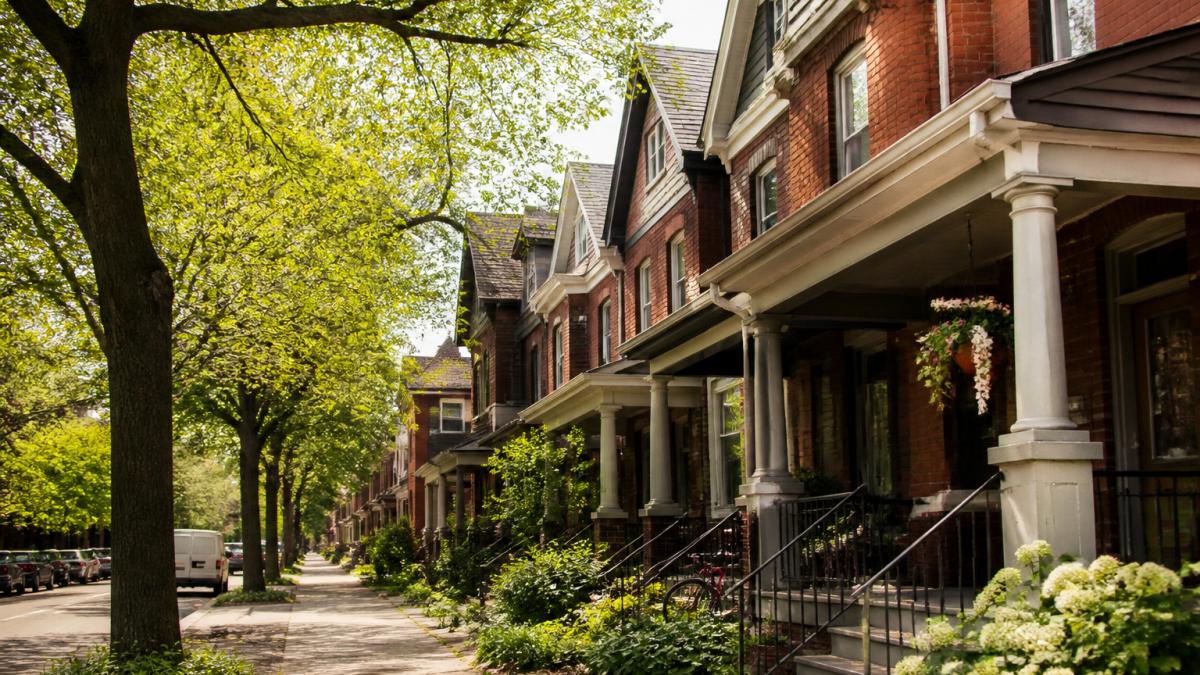
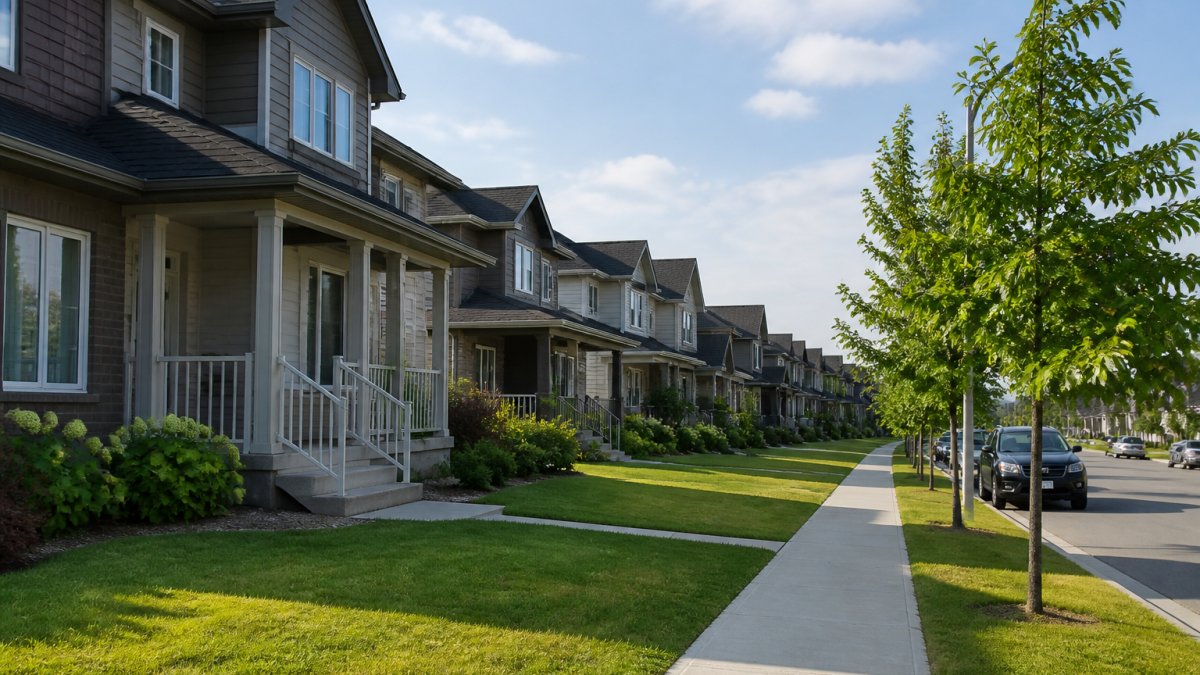
The best neighborhoods in Kanata for families tend to share three traits: a school within walking distance, a park or trail nearby, and a street that isn't a shortcut for commuter traffic. Older established pockets often offer larger lots and mature trees. Newer developments bring modern floor plans and townhouses but smaller yards.
If you're still mapping out where to land, our guide on how to choose a neighborhood in Ottawa for first-time buyers gives you a framework that applies across the city, not just here.
Housing options run from single-family homes to townhouses and condos, which matters for first-time home buyers working within a budget. A common mistake is stretching for square footage in a less convenient location. For families with young children, walkability to school and parks usually beats an extra bedroom.
Cost of Living in Kanata: Housing, Property Taxes and Childcare
Affordability questions are usually answered with a home price, which is the least useful number for a family with young children.
Start with the recurring costs that scale with the home:
- Mortgage and down payment. Your monthly payment depends on purchase price, down payment, amortization, and rate. Get a pre-approval before you shop so your budget is anchored to a real number, not a wish.
- Property taxes. Municipal property tax is calculated as a rate applied to the assessed value of the home, so two similar-looking houses on different streets can carry different annual bills. Ask the seller for the current tax bill and confirm it against the municipal property tax lookup rather than estimating from the purchase price.
- Utilities and insurance. Heating, hydro, and home insurance vary with the age, size, and efficiency of the home. Request a utility history from the seller for the past 12 months; a newer build with a high-efficiency furnace and heat pump can run materially lower than an older home with electric baseboards.
- Water and wastewater. These are billed separately in many municipalities and are easy to forget when comparing a house to a condo where some costs are bundled into fees.
Then add the costs that scale with the family:
- Childcare. This is often the largest recurring line for families with children under school age, and it varies by age group and provider type. Ask each centre for its current fee schedule and whether any fee subsidy or reduced-fee space applies to your situation.
- Transportation. Budget for one or two vehicles, insurance, fuel, maintenance, and parking if you commute. If you plan to rely on transit, price the monthly pass and test the route at rush hour before you commit, because a car-dependent location can quietly erase the savings of a cheaper home.
- Recreation and activities. Swim lessons, skating, sports registration, and camp fees add up across a year. Check program registration dates and fees with the municipal recreation provider so you can budget for the activities your children will actually do.
- Closing and setup costs. Legal fees, inspection, adjustments, moving, and the small purchases that come with a new home are one-time but real.
A transparent way to build the budget is to list every cost as a monthly figure, including annual bills divided by twelve, and then stress-test it: add a buffer for a rate change at renewal, one major home repair per year, and a childcare fee increase.
Watch out: a pre-approval amount is a lender's maximum, not a family budget, build your own number from the line items above and leave room for the costs that only appear after closing.
For current home prices and market trends, our Kanata real estate market report tracks what is actually happening on the ground, and our breakdown of the hidden costs of buying a home in Ottawa covers the line items buyers forget.
Safety, Healthcare Access and Getting Around Without a Second Car
Before you decide, check crime mapping and local police reporting for the specific street you're considering.
Healthcare access is a genuine consideration. Family doctor availability can be limited, so start the search for a family physician early.
Transportation is where the suburb shows its seams. Kanata is car-dependent for many errands, and public transit to downtown Ottawa is workable but not quick. If you're commuting to a technology employer in the Kanata North area, the trip is short. If you work downtown and hope to drop to one vehicle, test the transit route at rush hour before you buy.
Kanata vs Barrhaven for Families: How the Two Suburbs Compare
Both suburbs work for families, but they solve different problems. Kanata leans toward technology employment, trail networks, and established pockets with mature trees. Barrhaven tends to offer newer housing stock and a dense concentration of big-box shopping and everyday conveniences.
The trade-off is usually commute and housing age versus shopping proximity and newer builds. Families who prioritize trails and a shorter trip to Kanata's tech employers often prefer Kanata. Families who want a newer home near extensive retail lean Barrhaven.
For a deeper side-by-side, read our full comparison of Barrhaven vs Kanata for families. And if you're still deciding whether suburban life suits you at all, our honest take on whether Ottawa suburbs are worth buying in is worth ten minutes.
Both suburbs work for families, but they solve different problems.
| Factor | Kanata | Barrhaven |
|---|---|---|
| Employment | Technology employment | Not specified |
| Trails and green space | Trail networks | Not specified |
| Housing stock | Established pockets with mature trees | Newer housing stock |
| Shopping and conveniences | Not specified | Dense concentration of big-box shopping |
| Commute to tech employers | Shorter trip to Kanata's tech employers | Not specified |
| Best for | Families prioritizing trails and tech commute | Families wanting a newer home near retail |
Book a Discovery Call Before You Start House Hunting
Choosing where to raise your kids is a decision with a long tail. School catchments, childcare waitlists, and commute realities all shape daily life more than the listing photos ever show.
That's where nearly four decades of local experience helps. We pair old-school client care with modern, strategic marketing, and our business is built almost entirely on repeat clients and referrals. We'll walk you through catchment checks, negotiate hard on your behalf, and help you avoid overpaying in a competitive market.
Get started with Franco Ippolito : EXP REALTY and house-hunt with a clear picture of what family life in Kanata really costs.
Frequently Asked Questions
Is Kanata a good place to raise a family?
For many parents, yes. Kanata combines a suburban feel with a strong base of schools, parks and recreation, plus technology-sector employment that shortens commutes for some households. The trade-offs are real: much of the area is car-dependent, and childcare waitlists can be long. Whether it fits your family depends on your budget, where you work and how old your children are. Touring a few neighbourhoods at different times of day gives you a clearer picture than listings alone.
Are there good schools in Kanata?
Kanata has a broad mix of public schools, Catholic schools and French-language education options, including French immersion and French first-language pathways. The detail that matters most when buying is the school catchment: two homes on the same street can feed different schools. Before you make an offer, confirm the catchment with the local school board and ask about enrollment capacity, since growing neighbourhoods can be directed to alternate sites.
Do families need a car to live in Kanata?
Many households run two cars. Kanata has public transit and a network of trails, but shopping, childcare, activities and many workplaces are spread out enough that errands add up without a vehicle. If you work downtown, factor in the commute honestly. If you work in the technology park or mostly from home, car dependence is far less of a daily burden.
Is Kanata affordable for families compared with Barrhaven?
Which suburb looks cheaper depends on the house type, lot and street you compare. Kanata often appeals to buyers who want established trees and proximity to the technology sector, while Barrhaven draws families looking at newer builds. Build your budget around the full picture: home prices, property taxes, childcare and commuting costs, not the listing price alone.